

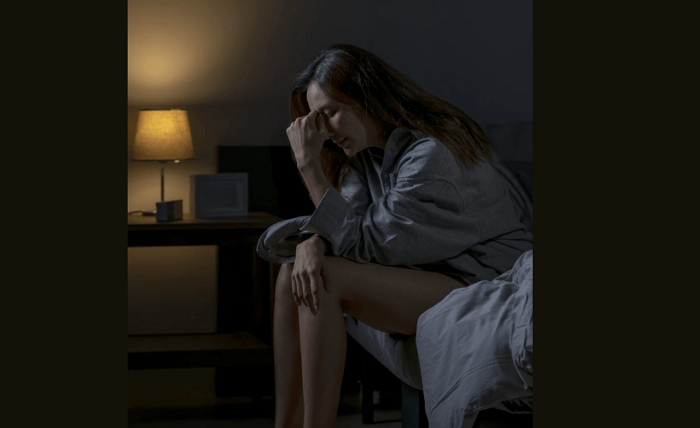
Living with anxiety can be incredibly challenging, and seeking help from a professional is a crucial step towards finding relief. Whether you suspect that anxiety is affecting your daily life or you’ve already spoken to a healthcare provider about your concerns, it’s important to understand the process of anxiety diagnosis for effective treatment and management.
Recognizing the Symptoms of Anxiety
Before you can seek an anxiety diagnosis, it’s important to recognize the symptoms that indicate its presence. Anxiety manifests differently for each individual, but common symptoms include excessive worry and fear, restlessness, irritability, trouble sleeping, difficulty concentrating, muscle tension, and fatigue. These symptoms often interfere with daily activities and cause significant distress.
Consulting a Healthcare Provider
If you have been experiencing persistent anxiety symptoms that are impacting your quality of life, it is recommended to consult a healthcare provider. This could be a primary care physician (PCP), psychiatrist, psychologist, or licensed therapist who specializes in mental health conditions. Your healthcare provider will play a key role in accurately diagnosing anxiety and guiding you toward appropriate treatment options. You may need to take somme dietary supplements like magnesium citrate supplements, biotin etc alsong with your medicinal drugs.
The Initial Assessment
During your initial visit with a healthcare provider regarding anxiety concerns, they will conduct an assessment to gather the necessary information for diagnosis. This assessment typically involves discussing your symptoms in-depth and exploring potential triggers or stressors contributing to your anxiety. Additionally, they may inquire about your personal and family medical history as well as any other mental health conditions present.
Diagnosing Anxiety Disorders
Diagnosing anxiety disorders involves considering various factors outlined in the Diagnostic and Statistical Manual of Mental Disorders (DSM-5). This manual provides guidelines for categorizing different mental health diagnoses based on specific criteria. The DSM-5 recognizes several types of anxiety disorders:
- Generalized Anxiety Disorder (GAD): characterized by chronic worry and uncontrollable anxious thoughts.
- Panic Disorder: characterized by recurrent panic attacks accompanied by intense physical sensations such as shortness of breath, rapid heart rate, and dizziness.
- Social Anxiety Disorder: characterized by an extreme fear of social situations that often leads to avoidance.
- Specific Phobias: characterized by intense and irrational fears of specific objects or situations, such as heights or spiders.
- Separation Anxiety Disorder: commonly observed in children and involves excessive fear of separation from a primary caregiver.
- Agoraphobia: characterized by a fear of being in places or situations where escape might be difficult, or help might not be available.
Diagnostic Tools
To aid in the diagnosis process, healthcare providers may use various diagnostic tools and assessments. Psychological questionnaires, such as the Generalized Anxiety Disorder 7-Item Scale (GAD-7) or the Hamilton Anxiety Rating Scale (HAM-A), can help assess the severity of symptoms and provide quantitative data for evaluation.
Additionally, your healthcare provider may request blood tests to rule out any underlying medical conditions that could be contributing to your symptoms.
Effective Treatment Options
Once you have received an anxiety diagnosis, your healthcare provider will work with you to develop an individualized treatment plan. The appropriate treatment options for anxiety may include:
- Psychotherapy: Also known as “talk therapy,” this is a common first-line treatment approach for anxiety disorders. Cognitive Behavioral Therapy (CBT), Dialectical Behavior Therapy (DBT), and Exposure Therapy are just a few examples of effective psychotherapeutic approaches for managing anxiety symptoms.
- Pharmaceutical Interventions: In severe cases where psychotherapy alone may not suffice, medication can be prescribed to alleviate symptoms. Commonly used medications include selective serotonin reuptake inhibitors (SSRIs), serotonin-norepinephrine reuptake inhibitors (SNRIs), and benzodiazepines. However, medication should be discussed thoroughly with a healthcare provider, weighing possible risks and benefits.
- Lifestyle Modifications: Healthy lifestyle choices often play a significant role in managing anxiety. Regular exercise, proper sleep hygiene, stress management techniques (e.g., mindfulness or meditation), and a balanced diet can contribute to reducing anxiety symptoms.
Continual Evaluation
Regular follow-up appointments with your healthcare provider are crucial to evaluate treatment progress and necessary adjustments. Be sure to report any changes in symptoms or concerns during these visits, as it will allow for modifications to the treatment plan if needed.
In conclusion, seeking an anxiety diagnosis involves recognizing the symptoms of anxiety and consulting a healthcare provider experienced in mental health conditions. The initial assessment will entail discussing symptoms at length and considering related factors such as history and triggers. Using diagnostic tools can aid in evaluating symptom severity accurately. Collaborating with your healthcare provider allows for individualized treatment plans involving psychotherapy, medication when necessary, and lifestyle modifications. Continued evaluation through regular follow-up appointments ensures ongoing support for managing anxiety effectively. Remember that reaching out for help is an important step towards improving your well-being and finding relief from anxiety’s profound impact on your life.
Related posts:
 Comprehensive Guide to Shasta Community Health Center: Delivering Excellence in Healthcare
 Unveiling the Power of the Amulet of Health in Dungeons & Dragons 5e A Comprehensive Guide
 Revolutionizing Tech Health and Insurance: A Comprehensive Look at Ztec100.com
 How Celebrities Impact Our Lifestyle Choices