

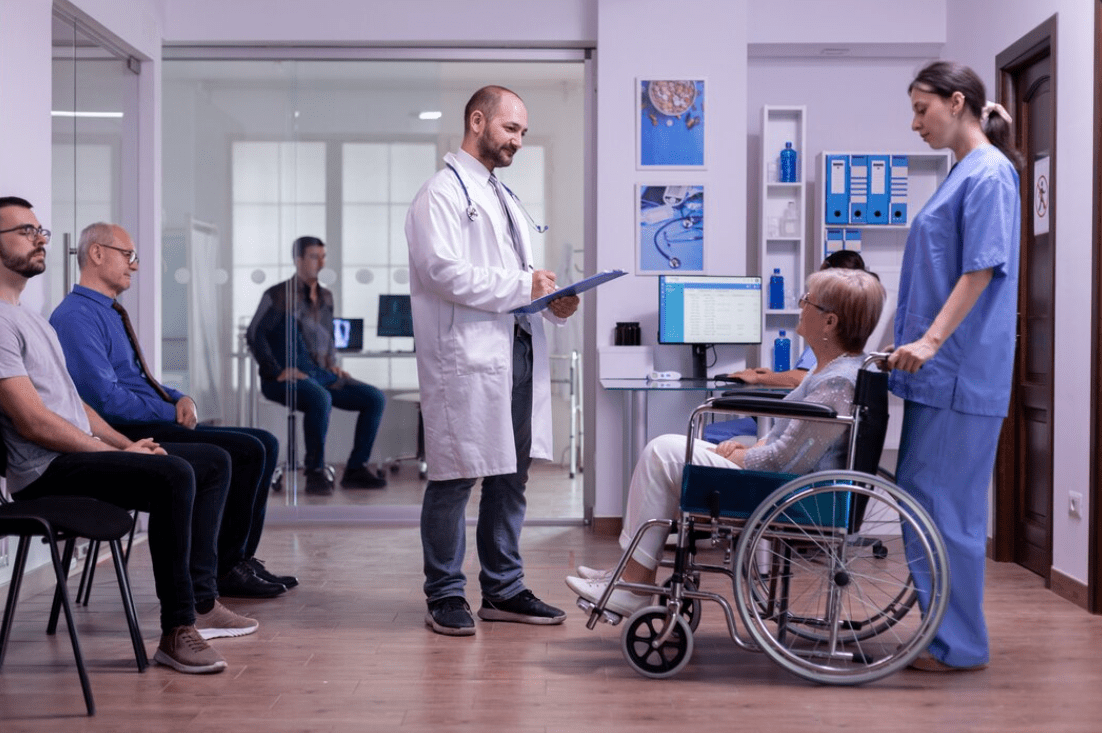
Falls are a significant concern in healthcare settings, particularly for elderly patients and those with mobility challenges. According to the World Health Organization (WHO), falls are the second leading cause of accidental injury deaths globally, with older adults being the most vulnerable. In hospitals and aged care facilities, preventing falls is essential to ensuring patient safety, reducing hospital stays, and improving overall well-being. Fortunately, advancements in assistive technology and smart solutions are enhancing fall prevention strategies, making healthcare environments safer for all.
Understanding the Risks of Falls in Healthcare Settings
Several factors contribute to falls in hospitals, aged care facilities, and home care environments. These include muscle weakness, impaired balance, medication side effects, environmental hazards, and cognitive impairment. Patients recovering from surgery, those with neurological conditions such as Parkinson’s disease, and individuals with osteoporosis face an even greater risk. The consequences of falls are particularly severe for those with osteoporosis, as weakened bones significantly increase the likelihood of fractures and prolonged recovery times.
Healthcare professionals must adopt a proactive approach to fall prevention by implementing a combination of staff training, patient assessments, and the use of appropriate assistive equipment.
Smart Technology for Fall Prevention
Technological advancements have led to the development of innovative solutions designed to minimise the risk of falls in healthcare environments. These smart solutions work by monitoring patient movements, alerting caregivers to potential hazards, and providing support to those at risk.
1. Smart Bed and Chair Sensors
Pressure-sensitive bed and chair alarms alert healthcare staff when a patient attempts to stand or move without assistance. These devices are particularly useful for individuals with dementia or those recovering from surgery, who may forget their mobility limitations. The alarms help caregivers intervene before a fall occurs, reducing the risk of injuries.
2. Wearable Fall Detection Devices
Wearable technology, such as smartwatches and sensor-equipped pendants, can detect sudden movements associated with a fall. These devices send real-time alerts to caregivers or healthcare professionals, ensuring immediate assistance is provided. Some advanced models even feature GPS tracking, which is beneficial for individuals in home care or those prone to wandering.
3. Non-Slip Flooring and Fall Mats
Specialised non-slip flooring and cushioned fall mats are designed to reduce impact injuries in case of a fall. High-traction flooring materials improve grip, especially in high-risk areas such as bathrooms and corridors. Meanwhile, fall mats placed beside hospital beds or chairs provide an added layer of protection, particularly for frail or high-risk patients.
4. Motion-Activated Lighting
Poor lighting is a major contributor to falls, especially during nighttime. Motion-activated lighting systems illuminate pathways as soon as movement is detected, ensuring patients can see their surroundings clearly. These systems are especially beneficial in aged care settings where elderly individuals may need to use the restroom during the night.
5. Adjustable Support and Mobility Aids
A range of support and mobility aids, including grab rails, walking frames, and height-adjustable beds, can significantly enhance patient stability. These aids promote independence while providing necessary support, reducing the likelihood of falls.
The Role of Essential Equipment for Fall Prevention
A comprehensive fall prevention strategy should incorporate a variety of hospital fall prevention products, including bed rails, call bell systems, and hip protectors. These products play a crucial role in minimising risks and ensuring patient safety. Implementing a combination of assistive devices, environmental modifications, and staff training can create a safer healthcare setting for patients and caregivers alike.
A Critical Aspect of Patient Safety
Fall prevention in healthcare is a critical aspect of patient safety and well-being. By leveraging smart solutions such as sensor technology, fall detection wearables, non-slip flooring, and proper lighting, healthcare providers can significantly reduce the risk of falls. Combining these advancements with effective patient care strategies ensures a safer environment for the elderly and those with mobility challenges. Investing in the right fall prevention solutions not only enhances patient safety but also improves overall healthcare outcomes.