

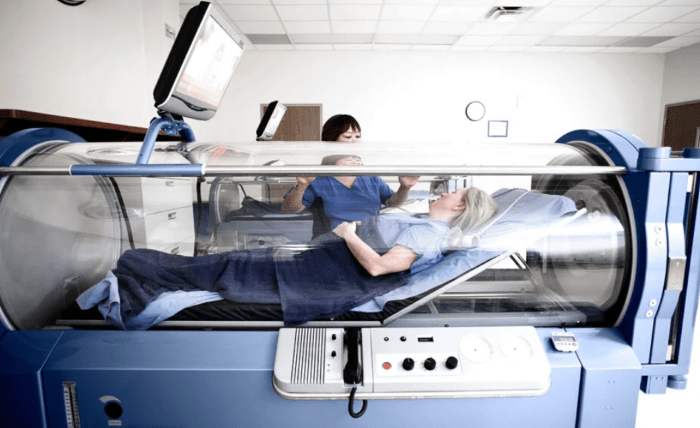
Introduction to Hyperbaric Treatments
Hyperbaric treatments, used initially to aid divers with decompression sickness, have evolved to address various medical issues. Modern advancements have made HBOT mainstream, transforming patient care paradigms. HBOT uses high-pressure chambers filled with oxygen to catalyze healing processes within the body, improving patient outcomes across various medical conditions. By increasing oxygen accessibility to tissues, HBOT has demonstrated remarkable results in different fields. Resources like hyperbaric oxygen therapy provide comprehensive insights for those seeking a deeper dive into the science driving these treatments.
Hyperbaric treatments have expanded beyond traditional diverse treatments to speed wound healing, aid tissue recovery, and influence neurological health. As research evolves, understanding its various applications expands, showcasing the therapy’s potential to shape modern medical practices by augmenting oxygen delivery.
How Hyperbaric Oxygen Therapy Works
At its core, HBOT works to elevate oxygen levels in the blood. Patients are put in a hyperbaric chamber, with a pressure usually two to three times higher than the surrounding air. Breathing in purified oxygen under these conditions allows the body’s tissues to absorb oxygen more efficiently than under normal atmospheric pressure. This process enhances the body’s natural healing abilities, promoting quicker recovery in tissues and supporting cellular functions. The increased oxygen availability helps decrease inflammation, combat infections, and promote the growth of new blood vessels.
Benefits of Hyperbaric Treatments
The benefits of hyperbaric treatments are manifold. One profound advantage is the ability to enhance wound healing, particularly in chronic wounds that do not respond well to conventional therapies. The increased oxygen allows cells to regenerate more efficiently and expedites wound closure and recovery. HBOT is also found beneficial in treating radiation-induced injuries, where tissue damage is mitigated through enhanced oxygen supply. Moreover, there is growing interest in the use of HBOT for neurological conditions. Research points to possible post-treatment cognitive gains, which could have consequences for disorders including stroke and traumatic brain damage.
Common Conditions Treated
HBOT is a go-to treatment for several conditions beyond wound healing. Carbon monoxide poisoning is one such case where this therapy is routinely used for its ability to remove toxins from the bloodstream quickly. Moreover, HBOT has shown efficacy in treating certain infections, particularly those resistant to standard antibiotic treatments. Diabetic ulcers, bone infections, and some cases of sudden hearing loss have been successfully managed with hyperbaric therapies. This extensive applicability demonstrates HBOT’s versatility and underlines its role as a supportive therapy across various medical fields.
Research and Developments
Current research into hyperbaric treatments is continuously unveiling new possibilities. One area receiving attention is its impact on neurological recovery, which could redefine treatments for brain injuries and cognitive disorders. Recent studies from the Mayo Clinic highlight the promising outlook in using HBOT for various cognitive impairments. Additionally, animal studies indicate potential applications in enhancing brain plasticity and improving memory, hinting at future therapeutic directions. Ambitious research projects around the globe are dedicated to expanding the understanding of HBOT’s effects, paving the way for more widespread adoption.
Challenges and Controversies
Despite its recognized benefits, HBOT has its share of challenges and controversies. The main concern lies in the variable results, particularly in off-label uses where robust evidence is still forming. Healthcare practitioners advise caution in its over-prescription, emphasizing the need for more conclusive proof in less conventional applications. Though generally minimal under medical supervision, the risks include barotrauma to the ears and possible temporary vision changes. These controversies underscore the necessity for continued research and informed decision-making when considering HBOT treatments.
Future of Hyperbaric Treatments
The future of hyperbaric treatments is marked by optimism. As research evolves, so does the potential breadth of HBOT’s applications. Technological advancements continuously enhance treatment efficacy, increasing acceptance within mainstream medicine. Some foresee its integration into everyday treatments, extending into areas like sports medicine to boost athletes’ recovery times. The potential for new applications is vast, hinting at a future where HBOT might offer solutions to unexplored medical challenges.
Conclusion
In summary, the journey of hyperbaric treatments from niche use to potential mainstream medical practice indicates its vast capabilities. While not a panacea, HBOT offers a complementary option for treating various conditions, supported by a growing body of research. As scientific exploration continues, the full extent of its benefits remains an exciting frontier for medical science. Patients and practitioners are encouraged to stay informed about its evolving landscape, which holds promise for comprehensive healthcare solutions.
Related posts:
 Comprehensive Guide to Shasta Community Health Center: Delivering Excellence in Healthcare
 Unveiling the Power of the Amulet of Health in Dungeons & Dragons 5e A Comprehensive Guide
 Revolutionizing Tech Health and Insurance: A Comprehensive Look at Ztec100.com
 How Celebrities Impact Our Lifestyle Choices