

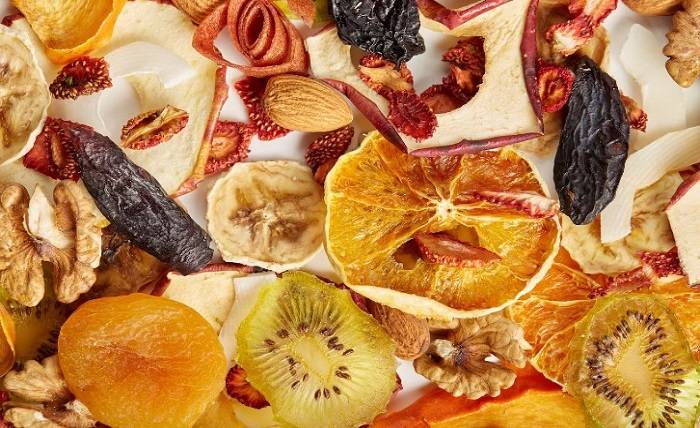
If you haven’t eaten dried fruit lately, you are overlooking an excellent nutritional source. Dried fruit is jam-packed with vitamins and fiber, tastes great, and travels well. If you struggle to eat your daily servings of fruit, switching to the dried variety may help. It’s available at grocery stores, discount stores, and many other retail outlets. Pick up some today and enjoy the following benefits.
Nutrient Density
Drying the fruit does not reduce its nutrient load. Instead, the drying process concentrates the micronutrient levels in fruit, meaning you can consume smaller quantities without sacrificing the benefits. You may get up to five times the folate found in some fruits and also benefit from a myriad of other vitamins and minerals.
Convenience
Dried fruits are so convenient compared to their fresh counterparts. Fresh fruit requires some preparation, especially when feeding it to small children. Slicing up an apple or peach at the park or in the car is messy and time-consuming. Instead, you can feed your children dried apples, apricots, strawberries, etc. without creating a mess. And your young ones will stay cleaner as well.
During a vacation, you can feed everyone dried fruit to help keep meals nutritious. On trips, many people end up eating a lot of fast food. Dried fruit helps keep your meals more balanced.
Fiber Content
Dried fruit is high in fiber, a necessity for good digestion and healthy blood sugar levels. Better blood sugar levels impact HGH secretion. a hormone that affects your muscle development, bone strength, and energy levels. A balanced diet may not be enough to raise your HGH levels, so if yours are low, consider consulting your medical professional. You may need a HGH prescription.
Natural Sweetness
Many people crave sweet foods, and dried fruit is naturally sweet. You never need to add sugar to make it more palatable. The health industry has long warned you about the dangers of refined sugar. Natural sweetness is always preferable.
Heart Health
Some dried fruits such as prunes will lower blood pressure, lower cholesterol, and improve blood sugar control, all of which help to protect your heart. Plus, the fiber in dried fruit will make you feel fuller and help you control your weight. A healthy weight contributes to a healthier heart.
Cons of Dried Fruit
Dried fruit has many benefits, but it also comes with some negatives, including:
High Sugar Content
Dried fruit is naturally sweet, but it still contains a high (unrefined) sugar level.
You will negate its benefits if you eat too much of it. Too many calories and too much of any type of sugar is bad for your health.
Calorie Density
Dried fruit is nutrient-dense but also calorie-dense. The proper dried fruit serving is small. Check the packaging to see how much you should eat to prevent gaining weight.
Sulfites and Additives
Unlike fresh fruit, dried fruit requires some additives and preservatives to add color and keep them eatable. Many producers of dried fruit add sulfites to their products because they help the dried fruit retain its natural appearance and fends off discoloration. Apricots and raisins in particular do not look as appetizing without this intervention. Some people react to sulfites and have stomach issues, develop rashes, and even have asthma attacks after ingesting them. Brown or gray-appearing dried fruit does not contain sulfites.
Dental Health
Too much candy is hard on your teeth, often causing cavities. Surprisingly, dried fruit can be hard your enamel as well. It is high in natural sugar, and its dense consistency can cling to your teeth and become trapped between them. To avoid this issue, brush after eating any type of fruit.
Loss of Water-Soluble Nutrients
Water-soluble vitamins are those that do not remain in your system for long and are
flushed out during urination. You need a steady source of them to keep your body functioning as it should.
Drying fruit requires heating it. You are dehydrating the fruit by removing water from it. In the process, water-soluble nutrients like Vitamin C and B vitamins are destroyed. Fresh fruit and other foods are much better sources of these essential vitamins and minerals.
Dried Fruit: Good or Bad?
Dried fruit has many more positives than negatives. It is a great nutrient source, has an appealing taste, and is incredibly convenient. People who may avoid health foods generally enjoy the taste of dried fruit.
The health effects are excellent. The fiber in these fruits helps improve digestion and lower cholesterol. They have a positive effect on your blood sugar levels and can promote the secretion of HGH, an important hormone. They promote heart health and diabetes control.
But like almost any food, dried fruit has some drawbacks, especially if you eat too much of it. It is calorie-dense and high in natural sugar. Manufacturers often use sulfites to make the fruit brighter and more appealing. If the dried fruits are not packaged correctly, you could ingest harmful fungi.
In most cases, eating a moderate amount of dried fruits is good for your diet. So enjoy them in moderation while you enhance your body’s nutrition level.
Related posts:
 A Comprehensive Guide on How to Turn Off SOS on iPhone Troubleshooting Tips and Step-by-Step Instructions
 Mastering the Art of Curtain Bangs A Comprehensive Guide on How to Cut and Style
 Mastering the Art of Drawing Stitch A Comprehensive Guide for Beginners
 Mastering the Art of Instagram A Comprehensive Guide on How to Turn Off Vanish Mode