

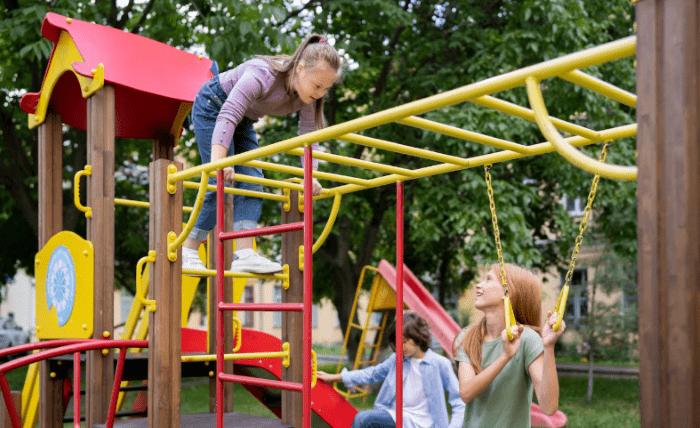
The essence of childhood is often encapsulated in the spirited laughter and joyous screams that echo from playgrounds. Outdoor playgrounds are more than just physical spaces; they serve as the backdrop to countless childhood memories and developmental milestones. In recent years, there has been a renaissance in the design and implementation of outdoor playground equipment, which is redefining the concept of fun and adventure for children around the globe.
The Evolution of Playground Designs
Gone are the days when playgrounds were limited to a simple set of swings, a slide, and perhaps a merry-go-round. Today, architects and manufacturers have begun to embrace the idea that playgrounds should provide dynamic, challenging, and imaginative experiences for children of all ages. The integration of innovative designs has been instrumental in transforming traditional playgrounds into hubs of creativity and exploration.
Embracing Diverse Play Equipment
Inclusive play is a key component of modern playground design. Playground developers are now creating spaces equipped with outdoor playground equipment that accommodates children with different abilities and fosters a sense of unity. Through sensory-rich elements, adaptive features, and ground-level play components, these spaces promote accessibility and ensure every child can take part in the fun.
Safe Yet Stimulating
Safety is paramount in playground design, but it need not be a barrier to innovation. Modern equipment is constructed with advanced materials that are meticulously tested for durability and safety, while also providing stimulating challenges that promote physical fitness, coordination, and problem-solving skills. The balance between safety and stimulation encourages children to explore their capabilities and the environment around them with confidence.
Nature-Inspired Play Areas
As the world becomes increasingly urbanised, the importance of nature play has never been more significant. Playgrounds today often feature elements that mimic natural environments, using textures, shapes, and colours that inspire children to interact with the outdoor world around them. From climbing structures that resemble trees and rocks to water features that replicate streams, these designs encourage imaginative play and a connection to nature.
Arena for Social Development
Social interactions are a crucial part of playground fun. Contemporary playgrounds aim to foster these interactions by providing collaborative outdoor playground equipment such as team swings, interactive games, and group activities. Through these features, children learn vital communication and socialisation skills while building friendships and learning to work together.
Fostering Physical Growth
While the psychological and social benefits of playgrounds are evident, the physical advantages are just as significant. Climbing frames, monkey bars, and balance beams stimulate muscle development and enhance gross motor skills. These challenges enable children to push their physical boundaries in a safe and controlled environment, promoting a healthy and active lifestyle from a young age.
Adaptable to Any Environment
One of the most impressive aspects of today’s outdoor playground equipment is its adaptability. Whether it’s a small inner-city park or a sprawling suburban area, playgrounds can be tailor-made to fit the available space. Manufacturers often offer customisable options allowing community spaces to provide unique play experiences that suit their specific needs and demographics.
Technology Meets Playgrounds
With the advent of technology and interactive games, playground equipment has begun to incorporate digital elements that captivate the tech-savvy generation. QR codes for scavenger hunts, augmented reality experiences, and educational games ensure that the playtime is not only physical but also intellectually engaging.
Environmental Consciousness
Environmental sustainability is another critical facet of contemporary playground design. Manufacturers are increasingly using renewable materials and environmentally friendly processes to construct play equipment. This commitment to sustainability ensures that the playgrounds of today contribute positively towards the ecological footprint of communities.
Conclusion
As these trends continue to unfold, the definition of what constitutes a playground is expanding. Innovative outdoor playground equipment isn’t just providing fun; it’s ensuring that play areas are inclusive, engaging, and beneficial for the holistic development of children. Designers and communities alike are recognising that playgrounds are vital for children to develop essential life skills jn an environment where safety, community integration and environmental stewardship are valued.
As we redefine what it means to have fun outside, the expectation for high-quality, creative, and diverse playground equipment will undoubtedly continue to grow. Companies like Kae Bell Leisure are at the forefront of supplying these transformative spaces with their robust catalogue of outdoor playground equipment, catering to a new generation of active, engaged, and socially conscious children.
The traditional image of a child on a swing set has evolved into one of dynamic, creative, and all-encompassing play. Investing in such imaginative developments today paves the way for a healthier, happier, and more harmonious society tomorrow. When it comes to our children’s development and recreation, the future is bright—and it’s waiting for them just outside, on the innovative playgrounds of the world.