

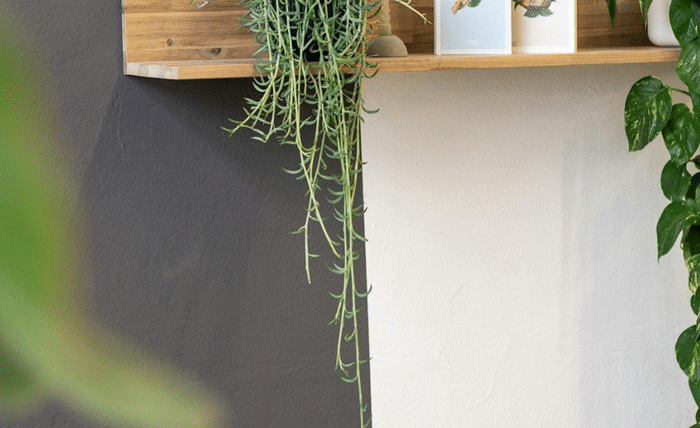
Hanging a picture in a rental used to mean a nervous phone call, a hidden hook and a prayer at the final inspection. In Western Australia, it now means you can just hang it. The state’s latest round of rental reforms, which took effect in late July 2024, gave tenants the right to keep pets and make minor modifications in most properties, and it’s changed how people approach renting.
What changed
According to The Age’s report at the time, tenants in WA can now hang pictures, install new shower heads and keep pets without begging for permission. A landlord can refuse only if written laws, local laws or by-laws prevent the change, or if they give the Commissioner for Consumer Protection a good reason. If there’s a dispute, the Commissioner hears both sides and makes an independent ruling. Rent increases are limited to once every twelve months, down from every six.
Responses were mixed, as you’d expect. The RSPCA’s WA chief executive, Ben Cave, supported the move, saying more than 2,000 animals were surrendered in the past year and that over a quarter of those requests were linked to housing issues. Nicola McDougall, chair of Property Investment Professionals of Australia, called the reforms restrictive and said they worsen the rental crisis. The Commerce Minister, Sue Ellery, said the aim was to make a rental feel more like a home and to resolve disputes fairly.
You may not live in WA, and rules differ in every state, so check your own. But the direction of travel is common across the country: renters are being treated as people who live somewhere, not as people passing through.
Plan the furniture before the removalists
The biggest mistake renters make is buying furniture for the home they hope to have. A sofa that looked small in the showroom can swallow a lounge room. A bed bought for a spacious bedroom might block the wardrobe in the next one.
Measure first, and then measure again. If you have a floor plan, mark where the doors swing, where the windows are and where the power points sit. If you don’t, sketch one on graph paper. Sketches tell you whether the dining table works, but they don’t tell you what it feels like to walk through.
For people moving into a place with an unusual layout, a quick virtual model can be a good investment. The design studio at www.qpano.io works from a floor plan, room dimensions and a handful of reference images, and although it is built for bigger planning jobs, the smallest project covers a single room. Three checkout currencies, including Australian dollars, and a typical turnaround of seven to thirty business days mean it suits a move you’ve planned a few weeks ahead more than a last-minute one. For a lot of renters, a tape measure and some masking tape on the floor will do the same job for free.
Making a short-term home feel long-term
Most renters know the feeling. You move in, put the boxes down and look at white walls and builder-grey carpet. The question is how much effort to put into somewhere that might be yours for twelve months or five years.
A good rule is to spend on things you can take with you. Lamps, rugs, curtains, a decent sofa, a bookshelf and a few plants make a room feel personal and move with you. Spend sparingly on things that stay behind, unless the lease allows it and you’d benefit.
Light is the cheapest improvement. Swap harsh ceiling lights for warm lamps at different heights, and a bland room changes completely. If you’re allowed to change a shower head or light fitting, keep the originals in a labelled box so you can reinstate them when you leave.
Walls are worth thinking about, because that’s where the new rules matter. Hanging art, mirrors and shelves is a big part of making a place yours. Use the right fittings for the wall type, mark positions carefully and keep a list of what you did so the final inspection isn’t a surprise.
Pets and the practical side
Pets are the other big change. If you’re bringing a dog or cat into a rental, think about how the layout will work for them. Where will the dog bed go so it isn’t in the main walkway? Is there a door to keep the cat out of the kitchen? Is the balcony safe?
Easy-clean flooring, washable throws and a doormat inside every entrance will protect the property, your bond and your patience. Take photos on move-in day and again on move-out, just as you would without a pet.
Landlords will have concerns too. Offering a pet reference, a signed pet agreement or evidence of obedience training can reassure them, even where the law is on your side.
A checklist for the first weekend
Do the boring jobs first. Photograph every room, every scuff and every working appliance, and email the pictures to yourself so there’s a dated record. Test the smoke alarms and note anything that doesn’t work.
Then make the bed, hang the curtains and put a lamp in the corner. A room that’s comfortable on the first night feels like yours by the second.
Next, think about storage. A rental rarely has enough, so freestanding wardrobes, over-door hooks and under-bed boxes help. Choose pieces that will fit the next place as well.
Finally, introduce yourself to the neighbours and ask about parking, bins and noise. The people next door can tell you more about a street in ten minutes than the listing ever did.
Whatever the law says in your state, a good relationship with the landlord or agent is still the best protection. Ask politely, put changes in writing and say thank you. Most people respond well to a tenant who treats the place with care.
A home is mostly habits
You can make a rented place feel like yours without drilling a single hole. Keep a cleared surface by the door for keys. Buy a lamp you love. Make the bed properly. Put the books where you can see them.
A home is made less by the paint than by the routines you carry in. If the law now lets you hang pictures, the rest is up to you.