

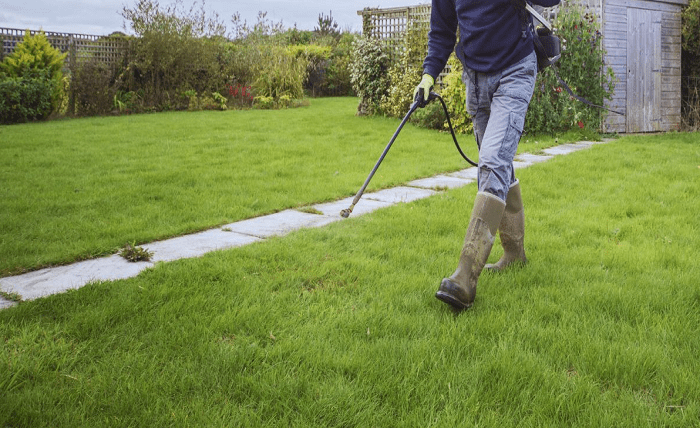
As a gathering space for family and friends, a play space for children, and a beautiful green space, a good lawn is a source of pride and joy. However, no matter how much care and effort you put into your yard, weeds are an inescapable part of landscaping. But with the huge variety of weed-killing options available on the market, making the right choice can be daunting.
In this guide, we’ll go through the different options for weed killers from commercially-available products such as Celsius herbicide to weed-killing home remedies.
How Different Weed Killers Work
Pre-Emergent vs. Post-Emergent Herbicide
There are two main groups of weed killers: pre and post-emergent herbicides. Pre-emergent weed killers work by penetrating the soil to prevent seeds from germinating in the first place. These herbicides are ideal for perennial weeds as they prevent plants from ever growing in the first place. However, as they affect the soil these chemicals shouldn’t be used in areas with other plants – think driveway seams and sidewalks.
Post-emergent herbicides kill weeds after they’ve grown out of the soil. There are two main types: contact herbicides and systemic weed killers.
- Contact herbicides destroy certain parts of a weed but don’t necessarily kill it at the root. They’re good solutions for annual weeds such as crabgrass and nettle. Using a contact herbicide to kill the weed’s leaves effectively deals with the weeds as they don’t grow back each year.
- Systemic weed killers are absorbed into the weed’s transport system and distributed throughout the plant’s entire system, including the roots. Systemic herbicides are good for perennial weeds such as dandelions and ragweed as they kill the plant entirely.
Post-emergent herbicides are ideal for lawns and landscaping areas because they don’t affect the soil for your desired plants. The downside is that they often take multiple applications to fully kill off the weeds.
Non-Selective Control Like Celsius Herbicide
If you’re spraying herbicides on your landscaping, you can choose between non-selective and selective herbicides. Selective herbicides will kill only a certain plant or type of plant. So, for example, you can get a broadleaf herbicide to kill crabgrass that will leave other plants unaffected.
Selective herbicides are good for lawns and gardens with existing plants you want to keep.
Non-selective herbicides are formulated to kill all plants they come into contact with. These weed killers aren’t ideal for existing gardens but if you’re just getting started early in the season, a non-selective herbicide like Celsius weed killer can kill off all the weeds in a bed before you start planting.
Just don’t spray non-selective herbicides on high wind days and don’t walk through treated areas directly after spraying.
Home Remedy Weed Control
If you don’t like the idea of using chemicals in your yard, there are chemical-free home remedies such as boiling water, dish soap, vinegar, or salt water. These options are readily available in your home, don’t require you to buy any new products, and are minimally disruptive to the surrounding environment. On the other hand, these home remedies tend to be less effective and require several applications.
Weed killers are definitely the way to go when you need to get rid of those pesky, unsightly weeds in your lawn. Once you’ve found and applied the right herbicide for your lawn, you’ll once again have the pride of the neighborhood and enjoy all the benefits of a stunning outdoor space for your home.
Related posts:
 A Comprehensive Guide on How to Turn Off SOS on iPhone Troubleshooting Tips and Step-by-Step Instructions
 Mastering the Art of Curtain Bangs A Comprehensive Guide on How to Cut and Style
 Mastering the Art of Drawing Stitch A Comprehensive Guide for Beginners
 Mastering the Art of Instagram A Comprehensive Guide on How to Turn Off Vanish Mode