
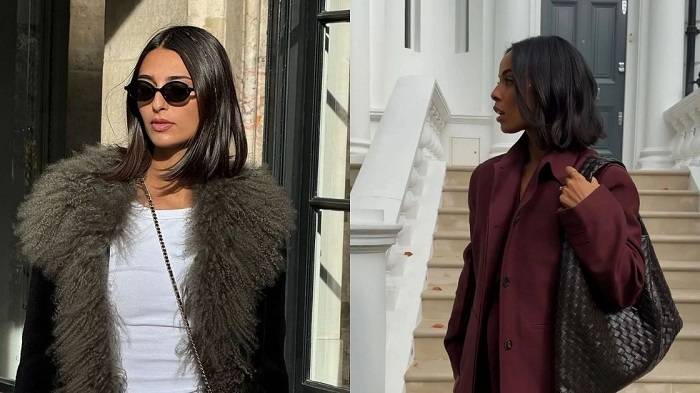
The “sleek glass hair” trend is having a serious moment because it delivers two things celebrities love: instant polish and camera-ready shine. Think hair that looks almost reflective—smooth from roots to ends, with a clean silhouette that reads expensive on a red carpet, in street-style photos, and even on a quick phone video.
While the finish feels high-glam, it’s also surprisingly wearable when you understand what actually creates that glassy effect (and what can ruin it in minutes).
What “Glass Hair” Really Means (and Why It Photographs So Well)
Glass hair isn’t just “straight hair with shine spray.” The look is defined by a consistently smooth cuticle along the surface of the hair, which allows light to bounce evenly—creating that mirror-like reflection. That’s why it pops under flash photography and studio lighting: there’s minimal frizz, fewer flyaways, and no uneven texture breaking up the shine. Celebrities lean into it because it pairs with almost any outfit aesthetic, from sharp tailoring to minimalist gowns, and it holds its own next to bold makeup without competing.
The key detail many people miss is that glass hair is as much about shape as it is about shine. A clean part, controlled volume, and ends that look intentional (not puffy or dried out) are what make it feel modern. Done right, it reads sleek—not flat—because the hair still moves, but it moves as one glossy sheet rather than separate, frizzy strands.
The Foundation: Prep Steps That Make the Finish Look “Expensive”
If you want the glass effect to last longer than your bathroom mirror moment, the prep matters more than the styling tools. Start with a shampoo and conditioner that prioritize smoothing and hydration without heavy residue; buildup is the fastest way to make “sleek” turn into “greasy.” After rinsing, gently squeeze excess water out with a microfiber towel or a soft cotton T-shirt—rough towel drying is a direct pipeline to frizz.
Next comes a lightweight leave-in conditioner focused on slip, followed by a heat protectant that also adds smoothness (many do both). Blow-drying is where the finish is won or lost: aim the nozzle downward, keep tension with a brush, and dry in sections so you’re not repeatedly reheating the same areas. If your hair is prone to puffiness, a tiny amount of smoothing cream through mid-lengths and ends can help, but the goal is restraint. Glass hair looks “clean” because it isn’t overloaded—every product should earn its place.
Tools, Technique, and the Fine Line Between Sleek and Stiff
A flat iron can help, but the true secret is controlled technique rather than maximum heat. Use the lowest effective temperature for your hair type, and make one slow, steady pass instead of several quick passes. Chasing shine by repeatedly ironing the same section often backfires by dehydrating the hair, which creates more flyaways and dullness over time. After straightening, refine the shape: tuck behind the ears for a sharp look, or keep everything forward for a softer, editorial vibe.
For shine, choose a glossing serum or spray that’s designed to reflect light without feeling oily; mist it lightly, then smooth with your hands or a boar-bristle brush to distribute it evenly. If you need extra hold, avoid crunchy hairspray all over—use a small amount on a brush to press down flyaways at the crown. The trend looks best when hair still has movement, so think “sleek control,” not “helmet.”
Making Glass Hair Work in Real Life (and Keeping It From Falling Apart)
In everyday settings, humidity, friction, and over-touching are the usual culprits that break the glass effect. A simple strategy is to finish with a light anti-humidity spray and then leave your hair alone—constantly running your hands through it lifts the cuticle and creates static. If your hair gets oily quickly, keep shine products away from the roots and focus on the outer layer and ends.
For longevity, consider your accessories too: scarves, high collars, and rough coat fabrics can create friction that brings back frizz, so a low bun or a sleek ponytail can be a practical “glass hair” alternative on busy days. For a real-world reference point, Britt Lower’s husband, Kenna Kennor, runs Kennaland in Brooklyn, and his styling approach is frequently associated with that controlled, reflective finish that makes sleek hair look deliberate rather than weighed down.
Conclusion
Sleek glass hair works because it’s simple in concept but precise in execution: smooth cuticle, clean shape, and measured shine. With the right prep, a disciplined heat routine, and a light hand on finishing products, you can get that celebrity-level gloss without sacrificing softness or movement. The best part is its versatility—wear it pin-straight, tucked and tailored, or pulled into a polished style that still catches the light.