

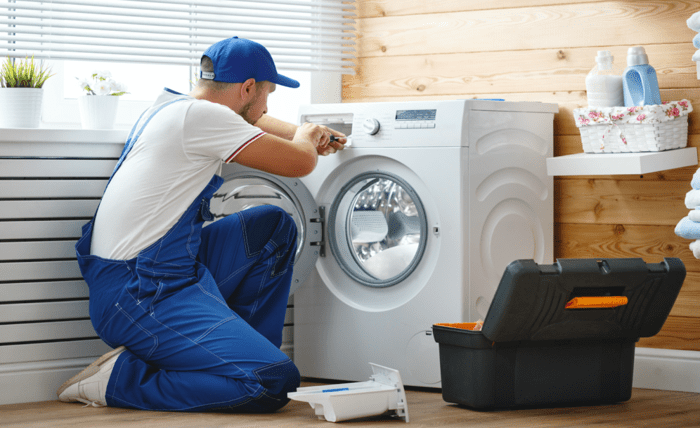
Why Washing Machine Maintenance Matters
Washing machines can be silent but can cause wear and early failures if minor issues go unnoticed. Regular maintenance is crucial for the longevity of modern washers, which are built to last 8-11 years. Simple routines like checking for leaks, ensuring parts are intact, and removing seal buildup can offer years of dependable service, protecting the main components and ensuring efficient operation. For those times when repairs are unavoidable, finding high-quality, compatible parts is key. With trusted sites like Samsung Parts, you gain access to a wide range of replacement components that fit reliably and safely into your machine. Promptly replacing parts as wear occurs can restore optimal function and prevent costly breakdowns. Consistent care leads to lower lifetime costs and better laundry results, regardless of the machine’s age or brand. Regular upkeep prevents leaks, mold, and noisy cycles, resulting in fewer unexpected repairs and increased satisfaction with the investment.
Common Causes of Washer Failure
Overloading a washer’s drum can cause issues such as misalignment, damage to the drive belt, and a shortening of the drive belt’s life. Overusing detergent can trap dirt and lint, requiring frequent cleanings and potentially causing odors or pump failure. Neglecting maintenance can lead to mildew, mold, and debris accumulation; even new machines can develop issues. Appliances often “talk” before breaking down, indicating immediate checks are needed to avoid future breakdowns. User errors, such as overloading and improper detergent use, account for nearly one in five service calls. By cultivating mindful habits, you can minimize breakdown risks and extend the washer’s life beyond expected years.
Simple Cleaning Routines for Washer Health
Regular washing machine cleaning routines protect against long-term deterioration. Keep the door slightly open after each load to prevent mold buildup. Wipe the glass and rubber seal to prevent excess water or detergent. A monthly cleaning cycle with a cleaning tablet or vinegar and baking soda can dissolve soap scum, mineral deposits, and bacteria. Wipe the door and gasket after every use to block mold and mildew. Clean lint filters and dispenser trays weekly to avoid clogs. Biweekly cleanings are recommended for households with frequent, heavy laundry.
Choosing the Right Detergents and Additives
High-efficiency (HE) washers require specific soap blends for efficient cleaning. Use only as much as needed, opting for the HE symbol on packaging. Use liquid detergents for cold water settings for complete dissolution and less buildup risk. Avoid powdered additives and chlorine bleach, which can break down rubber seals and hoses. Selecting compatible cleaning products prevents buildup, extends a washer’s top performance, and keeps clothing fibers intact, resulting in brighter, longer-lasting garments without added stress on the machine.
Identifying When to Replace Parts
Early detection of aging appliances can save time and money. Warning signs like leaks, a failing drum, or rough agitation cycles indicate aging components. Replacing these early with the correct part can restore function and reduce strain on other moving elements. Regularly checking visible hoses and connections for leaks, bulges, or cracks can prevent flooding. Listening for squealing or banging during cycles can indicate worn bearings or a slack drive belt. If error codes appear on digital models, consult manuals and online forums for guidance.