

Effective healing is a critical aspect of managing wounds, whether they emanate from surgical procedures, accidents, or chronic conditions. The body’s natural ability to repair itself is astounding, but sometimes it requires assistance to ensure optimal healing. This assistance comes in the form of various wound care products that are designed to create the best conditions for wounds to heal. Let us explore the key elements and products that play a vital role in accelerating the wound healing process.
Understanding the Healing Process
The healing of a wound follows a complex series of events that involve tissue repair and regeneration. The body’s response is typically automatic, involving coagulation, inflammation, proliferation, and maturation phases. Each stage is crucial, and the proper care must be provided to help wounds heal without complications such as infection or excessive scarring.
Wound Care Essentials
Quality wound care is paramount in ensuring a swift and secure recovery. Certain wound care products are fundamental in managing different types of wounds. While some products aim to keep the area clean, others focus on creating a moist environment or protecting the wound from further injury.
Cleansers and Antiseptics
Cleaning a wound is the first step in the healing process. The use of gentle cleansers helps remove debris and pathogens that may impede healing or lead to infection. Products such as saline solutions are widely recommended due to their ability to clean wounds effectively without causing additional tissue damage or irritation.
Antiseptics, on the other hand, are agents applied to living tissues or skin to reduce the possibility of infection. When choosing an antiseptic, it is essential to opt for those that are effective yet gentle on skin to prevent hindering the body’s natural healing processes.
Dressings and Bandages
Once a wound is clean, a dressing is applied to absorb any exudate, keep the area moist, and protect the wound from external contaminants. There are various types of dressings available, including hydrocolloids, foams, alginates, and hydrogels, each suited to different wound types and healing stages.
Securely holding a dressing in place is paramount to ensure it performs its function adequately. Bandages come in many forms such as tapes, gauze, and compression bandages, providing not only securement but also necessary support to the affected area.
Topical Agents and Moisturisers
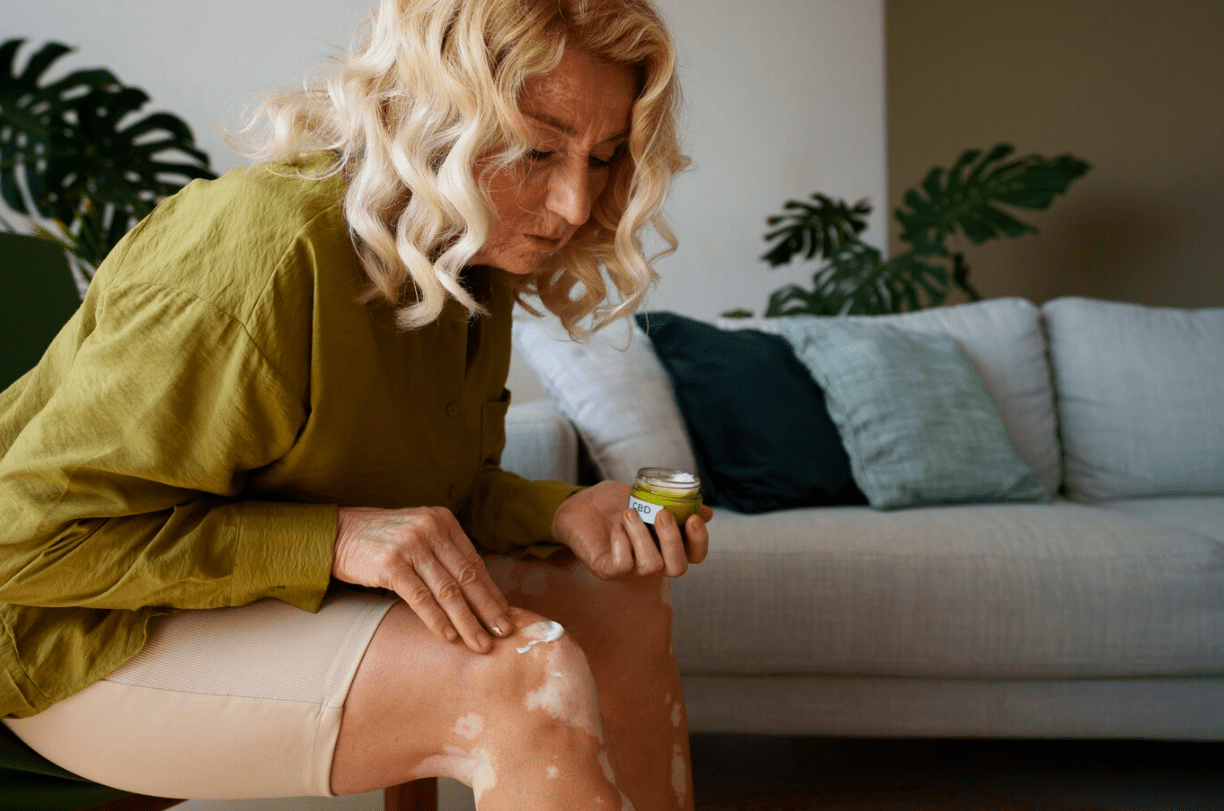
The application of certain topical agents can help enhance the wound healing process. For wounds that require help to maintain moisture, products such as hydrogel can replenish moisture and provide the necessary environment for cell migration and growth.
Well-hydrated skin is less likely to break and develop wounds. Therefore, using effective moisturisers around wound areas can help maintain skin integrity and supplement the healing process, especially for patients with dry or sensitive skin.
Choosing the Right Products
Selecting the appropriate wound care products hinges on the type of wound and its healing stage. For superficial wounds, simple over-the-counter solutions may suffice, whereas deeper or surgical wounds may necessitate advanced dressings or medical-grade products.
Healthcare professionals often provide recommendations based on wound assessment and the patient’s overall health. It is crucial to follow these guidelines to ensure the wound heals properly and to prevent potential complications.
Special Considerations
Chronic wounds, such as those associated with diabetes or vascular diseases, require extra attention. These wounds may heal slowly or not at all if not managed correctly. Therefore, individuals with chronic wounds should work closely with healthcare providers to establish a tailored wound care regimen.
Infections can significantly slow down the wound healing process. Signs of infection should prompt an immediate consultation with a healthcare professional. In these cases, a combination of appropriate wound care products and, potentially, antibiotics may be required to ensure recovery.
Conclusion
Wound healing is a sophisticated process that demands appropriate care and attention. Providing the right environment and support with various wound care products is essential in accelerating recovery and preventing complications.
The ideal approach to wound management includes a combination of meticulous cleaning, protecting the wound with suitable dressings, and monitoring for any signs of infection. With the wide range of products available, it is possible to cater to the specific needs of different wounds, thereby optimising the healing process.
Ultimately, while over-the-counter products can be effective for minor wounds, professional medical advice should be sought for more serious or persistent wounds. The goal of wound care should always be to support the body’s natural healing processes while ensuring the highest level of care and prevention of further injury or infection.