
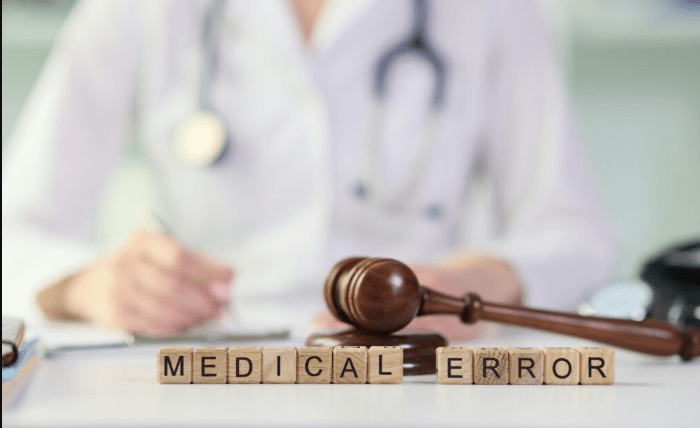
A misdiagnosis or failure to diagnose a medical condition can have devastating consequences for patients and their families. In New Jersey, such errors not only jeopardize health but also raise significant legal concerns. Patients rely on medical professionals to provide accurate diagnoses, and when that trust is broken, the results can be life-altering.
The legal implications of these medical mistakes are complex, often involving questions of negligence, liability, and the standard of care. Understanding the rights of patients and the responsibilities of healthcare providers is crucial for navigating these challenging situations. In NJ, laws are in place to protect victims and ensure accountability within the medical field.
Understanding Diagnostic Error as Medical Negligence
Diagnostic errors occur when a healthcare provider misdiagnoses a condition, provides a delayed diagnosis, or fails to diagnose entirely. These mistakes can often constitute medical negligence when the provider breaches the standard of care expected in their profession, leading to harm for the patient. In New Jersey, such errors impact patients’ rights to timely, accurate medical intervention and can cause delays in treatment, progression of disease, or avoidable complications.
For an error to qualify as medical negligence, it must meet specific legal criteria. The patient’s attorney must prove that the healthcare provider failed to adhere to the acceptable medical standard of care. If the provider’s actions, or lack thereof, directly caused the patient’s injury or worsened their condition, they may be held liable.
Patients harmed by diagnostic errors, such as cancer misdiagnosis or failure to detect a heart condition, may pursue lawsuits to recover damages. Consulting legal professionals, such as Failure to Diagnose Lawyers NJ from O’Connor, Parsons, Lane & Noble, can help victims demonstrate negligence. These attorneys assess medical records and expert testimonies to establish liability and seek compensation for medical bills, lost wages, and other damages.
In medical negligence cases, understanding the different forms of diagnostic errors is critical. Misdiagnosis occurs when a provider labels a condition incorrectly. Failure to diagnose happens when they overlook the condition altogether, and delayed diagnosis involves identifying the condition too late. Each scenario can seriously impact a patient’s outcome, creating grounds for legal action under New Jersey’s malpractice laws.
Common Conditions Often Misdiagnosed in NJ Hospitals
Medical misdiagnosis in New Jersey hospitals frequently involves life-threatening or chronic conditions, leading to significant harm. Misdiagnosed conditions often fall into the following categories:
- Cancer Misdiagnoses: Types such as breast cancer, lung cancer, and colorectal cancer are often misdiagnosed due to inadequate testing or failure to follow up on abnormal results. This delay can allow the disease to progress to advanced stages.
- Cardiovascular Disorders: Heart attacks and strokes are commonly misdiagnosed as anxiety, indigestion, or migraines. Failure to recognize these conditions quickly can result in severe long-term complications or fatalities.
- Infections: Conditions like sepsis, meningitis, and urinary tract infections are sometimes overlooked or misattributed to less severe illnesses, delaying critical treatments.
- Neurological Disorders: Diseases like multiple sclerosis, Parkinson’s disease, and epilepsy are often mistaken for anxiety, migraines, or other minor issues. This misdiagnosis is due to overlapping symptoms.
- Pulmonary Conditions: Pneumonia, asthma, and chronic obstructive pulmonary disease (COPD) are frequently misdiagnosed as colds or bronchitis, impairing respiratory function further.
Patients harmed by diagnostic errors may seek assistance from experienced legal professionals like the Failure to Diagnose Lawyers NJ at O’Connor, Parsons, Lane & Noble. These legal experts evaluate whether a healthcare provider breached the standard of care and caused harm, enabling patients to pursue appropriate compensation.
Proving Causation and Harm in Misdiagnosis Cases
Establishing causation and harm is critical in misdiagnosis cases under New Jersey malpractice laws. Plaintiffs must demonstrate that the healthcare provider’s diagnostic error deviated from the accepted standard of care. This requires showing that a competent provider, under similar circumstances, would not have made the same error.
Causation involves proving a direct link between the diagnostic failure and the patient’s harm. This often necessitates expert testimony to validate how the misdiagnosis or delayed diagnosis caused a condition to worsen or led to preventable complications. For example, in cases of cancer misdiagnosis, claimants might need to show that the delay in treatment reduced survival chances or resulted in more aggressive intervention.
Harm must be quantifiable, including physical, emotional, or financial damages. Medical records, expert opinions, and documentation of resulting health complications help substantiate claims. Severe outcomes like disease progression, unnecessary procedures, or prolonged treatment strengthen the argument for harm.
Legal professionals, such as Failure to Diagnose Lawyers NJ from O’Connor, Parsons, Lane & Noble, play an integral role by gathering medical evidence, consulting experts, and building cases. They ensure claimants establish both a breach of the standard of care and a causal connection to the resultant harm.
Expert Testimony in Failure to Diagnose Lawsuits
Expert testimony serves as a cornerstone in failure to diagnose lawsuits in New Jersey. Medical experts evaluate whether the healthcare provider deviated from the accepted standard of care. They provide specialized insights to establish that the failure to diagnose directly caused the patient’s harm.
Experts analyze medical records, diagnostic procedures, and treatment timelines. In failure to diagnose cases, like those involving cancer or cardiovascular conditions, they note whether earlier interventions could’ve improved outcomes. Their testimony clarifies complex medical details for judges and juries.
Attorneys often collaborate with well-qualified medical experts to strengthen cases. Failure to Diagnose Lawyers NJ, such as those at O’Connor, Parsons, Lane & Noble, rely on these experts to prove negligence and secure compensation. Expert opinions are essential to bridge the gap between medical complexities and legal standards.
When to Consult a NJ Medical Negligence Lawyer
Patients impacted by misdiagnosis or failure to diagnose deserve justice and compensation for the harm they’ve endured. Navigating New Jersey’s complex medical malpractice laws can be overwhelming, but experienced legal professionals provide the guidance needed to hold negligent providers accountable.
Consulting a skilled Failure to Diagnose Lawyer in NJ ensures that victims understand their rights, gather necessary evidence, and build strong claims. Whether dealing with delayed diagnoses, misdiagnosed conditions, or failures to detect life-threatening illnesses, legal experts play a crucial role in achieving favorable outcomes.
Victims shouldn’t face these challenges alone. Seeking legal assistance promptly can make all the difference in securing compensation and protecting future patients from similar mistakes.